


I feel alienated within my family. How can I overcome this?
Everyone experiences feelings of alienation within their family at times. If you are struggling with this, I hope this can be of some help in resolving your problems.
- You will learn how to overcome feelings of alienation.
Contents of this article
Reasons for feeling alienated
Sometimes I feel like I'm not needed by my family.
She said "Good morning," something she never says to me. My wife and I ended up eating cake together, just the two of us.
It's a very small thing, but it makes me feel like I'm being excluded from the group because of their words and actions, and the more I cherish my family, the more I feel a sense of alienation that's akin to jealousy, wondering why.
Have you ever experienced something like this, if you're reading this?
From here, we will explore examples of situations where you might feel left out and how to resolve them.
I hope I can contribute even a little to bringing smiles to tomorrow's faces.
- Lack of confidence
During my school days, I was what you'd call a failure. I was a mess at everything—academics, sports, romance—everything.
Spending your youth like that naturally leads to a lot of feelings of inferiority, and you start to think, "I'm a worthless person."
I lack self-confidence, so I'm always nervous and anxious.
Even when I'm given the requirements, I start with "What if I can't do it?", which creates a vicious cycle where I become even less able to do it, and I can't break free from it.
Other people may see my good points, but I have no redeeming qualities whatsoever, so I lack confidence in "the very act of living."
I can't trust people.
A little while after starting high school, a classmate I had finally started to get to know said to me, "I heard you were bullied in middle school."
It came as a complete surprise.
I thought I was having normal conversations, and I don't recall being particularly bullied, but it seems that the people I considered friends didn't think highly of me.
It may be due to my own insensitivity, but neither that confession nor that smile came from the heart.
Since then, I've stopped laughing from the heart and started interacting with people in a way that would prevent me from being hurt even if I were betrayed.
I want to be acknowledged by someone.
When our son started high school, my wife, who had been a full-time housewife, started working part-time and began helping out with some of the housework.
Even though all I do is wash dishes and vacuum, I still get thanked for it.
Living in a world where doing things properly is taken for granted and expected, being thanked can bring back feelings I'd forgotten for a while.
It's often said that Japanese people aren't very good at expressing their feelings in words, but perhaps just a simple "thank you" can convey the message, "You belong here."
I'm not good at expressing my opinions.
In conversations between spouses, it's common to hear both "That's not what I meant" and "You shouldn't say it like that."
This phrase is typically used when someone is struggling to communicate effectively, starts to feel a little frustrated, and their words become sharp.
Indeed, there are many times when I think to myself, "That's not the right way to say it," and gradually I start to worry that I'll say something unpleasant again, so I end up closing my mouth and swallowing what I want to say.
And sometimes, I overthink my words and end up not being able to convey even half of what I originally wanted to say, so I get frustrated and stop the conversation midway, and then spend the rest of the day feeling self-loathing.
How to overcome feelings of alienation
Feeling alienated stems from how we perceive the other person's reaction to our actions.
Even if you maintain a positive outlook, if the other person's reaction is cold, it won't last long, and there's no point in continuing to think positively.
If you still want to cherish this person and maintain a relationship with them, then don't give up and keep trying to approach them.
If you're at home, try waiting at mealtimes until the last person has finished eating before getting up.
Doing so should spark some kind of conversation.
At first, it might just be something like "What?" or "Nothing in particular," but gradually it will turn into a conversation, and if it's breakfast, you'll be able to talk about your plans for the day, and if it's dinner, you'll be able to talk about what happened during the day.
If you're a student, try starting by saying "Good morning" when you arrive at school in the morning; you might get a smile in return one out of every 100 times.
Please keep this in mind as you read the following articles.
- You don't have to be liked by everyone (in the case of family).
As my children grew older, we gradually started talking less and less.
My wife and children seem to talk to each other more than I do, but even when I say "good morning" to my wife, she doesn't even respond to me.
As I mentioned earlier, the action I took was to stay seated until the very end of the meal.
We inevitably see each other during meals, especially breakfast.
At that time, I would ask my wife and children questions like, "Do you have club activities today?" or "What time do you think you'll be home?"
Eventually, they'll start telling you things like, "I'm coming straight home today," or "My shift today is XX."
Then, you can suggest plans for the whole family, such as "Let's go to ** next time."
Usually, the final decision rests with the wife, so things don't always go smoothly, but if it doesn't work out, involving the children and presenting the idea to the wife can sometimes strengthen the bond between you.
Doing so will strengthen your bond with your children.
Don't give up, keep reaching out to them.
- You don't need to be liked by everyone (in the case of friends).
When you're going through school life, it feels like all your time is dedicated to school, or even more so, that your friendships are everything to you.
Therefore, I tend to feel that every word or gesture from a classmate reflects my own position, and I often find myself thinking and acting in ways that are best for my classmates.
I can say that with certainty.
There is absolutely no need for that.
You are free to act as you see fit.
It's okay to say what you like and what you dislike.
Your likes and dislikes are a reflection of your very personality.
Those individual differences are important, and you yourself might like the personality of the person in the seat in front of you, but dislike the personality of the person in the seat next to you.
That's what people think of you too.
Spending time with people who share similar personalities is very enjoyable, and conversations flow so easily that you lose track of time.
However, it's possible that even the personality traits you dislike might make you likeable.
Those clashes of personalities are what cultivate and broaden your humanity.
By "interacting" with (not conforming to) the personalities that don't align with your own, you'll be able to spread your wings and soar even higher.
- Talk to a friend about your problems
Although the title is "Consulting a friend about my problems," the truth is I don't really confide my problems to my friends.
The aforementioned "friends" also started having the same worries once they became working adults, and we began complaining to each other on weekends.
However, even though I complained about my seniors, I never showed any weakness or complaints.
Even if I said something, my friend would say, "Well, I'm just going through something worse," and I'd conclude, "He's going through something even worse, I'm still better off, I can't lose."
Gradually, a strange sense of pride arose within me, a feeling of "I'll do something more painful than him," and before I knew it, my drinking companions had become a source of bragging about how spicy their food was.
Therefore, even now that they're married and don't keep in touch as often, they still encourage and support each other deep down, and they both think, "I'm going to build a happier family than that guy." Or at least, that's what they must be thinking.
Find something you can be passionate about.
When you're overwhelmed with worries and don't know what to do, having a hobby you can immerse yourself in can be a great help.
Cooking, reading, watching movies. Some might even say cleaning.
When you focus on one thing, you can temporarily forget about unpleasant things at work or troublesome relationships.
Humans are strange creatures; even when we think we're concentrating, our minds are often elsewhere, and suddenly a great idea pops into our heads.
Furthermore, concentrating requires a lot of energy, and after working for an hour, you become completely exhausted and lose the motivation to think.
Specific solutions
For those who say, "Even if you say that, I don't have any hobbies," here's a suggestion.
How about going for a walk?
This isn't a strenuous walk, but rather a leisurely stroll.
Why not start with a 5-minute one-way trip, or a 10-minute round trip?
Once you get used to it, gradually increase the time you walk, and when you can walk for about 15 minutes one way, you'll be able to try different routes.
The scenery is never the same, depending on the season and time of day, and it's fun to walk around and take pictures of it with your cell phone.
Sharing new discoveries about your neighborhood with your family will surely bring you closer together.
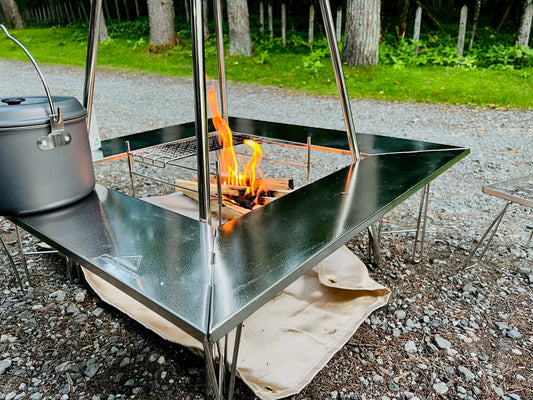
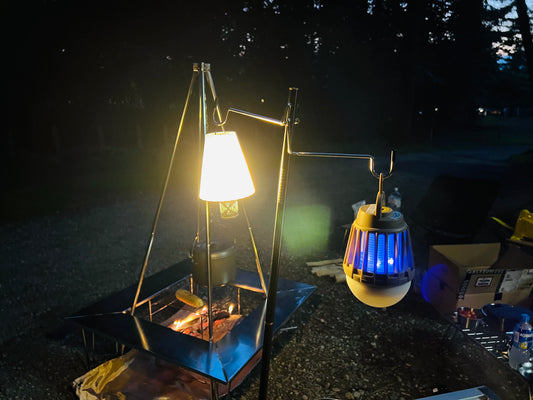
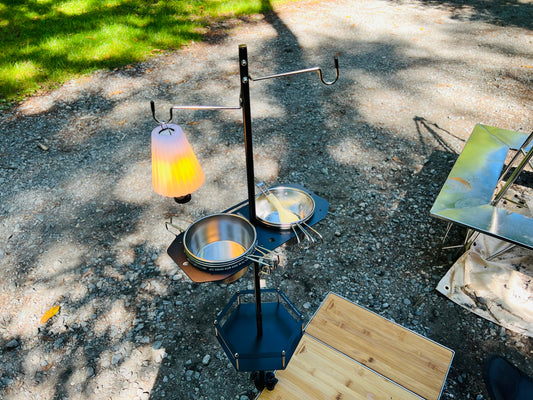
And if you want to deepen your bond even further, try camping. Camping, which involves working together, is a very effective way to strengthen family ties.
For those who absolutely need to resolve their problems immediately, phone-based fortune telling is also a popular option.
It's available for just a few hundred yen, so if you're feeling overwhelmed and stuck with your problems, you might want to give it a try.
See details about Coconala's phone fortune telling service.

1 comment
気持ちを配信で語ったりはしています。
ウォーキング等趣味もあります。
しかしモラハラ気質の家族の中で意見が通らず感謝も無く疎外されている事は変わらない事実です。
私だけを必要としてくれる人やどこかは、長年外で仕事などをしていないと作れないのだろうなと思います。
それが無い人は、他の何かする事で気を紛らわす一時の逃げでは解消は無理だなと思っています。
同じ気持ちで生きているのは私一人では無いんだな。お互い頑張って生きようねと同朋と出会い励まし合う事が行き着く先かなと思いました。