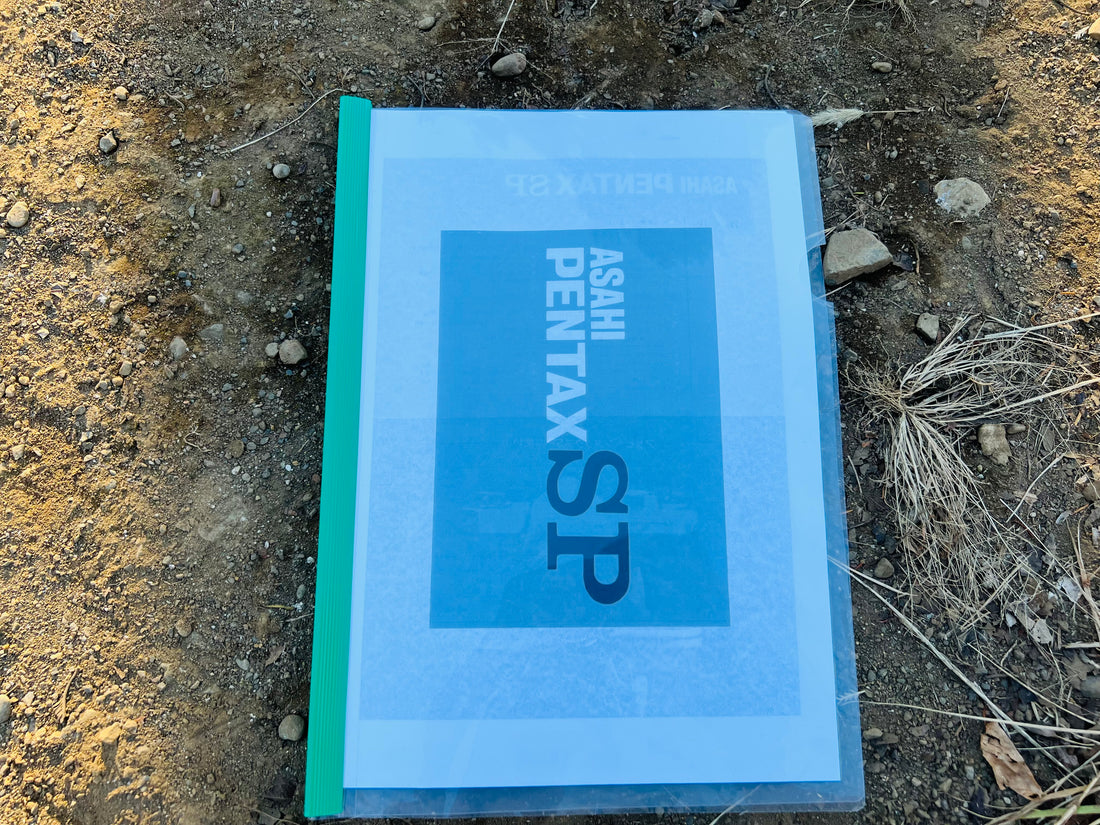
A film camera released in 1964.
These days, the camera capabilities of many smartphones, including iPhones, have improved dramatically, so I think there are very few people who use a dedicated camera for taking photos or videos, other than professionals or hobbyists.
If I say I own a camera now, it would probably mean I've "specifically" acquired either a DSLR or a mirrorless camera.
However, until recently, it was impossible to create a record in the form of a "photograph" without carrying a camera. Furthermore, it was impossible to check the photos you had taken on the spot.
I learned how to adjust shutter speed and aperture on my own, and I was always anxious about whether I had taken the picture properly before developing it and finally checking the resulting "photograph." So, I understand why photography is treated as an art form.
Among film cameras, the Pentax SP is a special model in the Pentax camera series. Introduced in the early 1960s, this camera was one of the most popular and highly regarded models of its time. It continued to be produced for over 10 years afterward.
Key features of this camera include an M42 screw mount, TTL metering, Asahi Opt. Co. branding, mechanical shutter, center-weighted metering, Asahi Super-Takumar lens, and a built-in self-timer.
The PS series is known for its robust build quality and reliability, playing a significant role in the history of 35mm film photography and being beloved by many photographers.
You can download the PDF from RICOH's official website.
Printing it out and filing it would further enhance the overall look and feel.
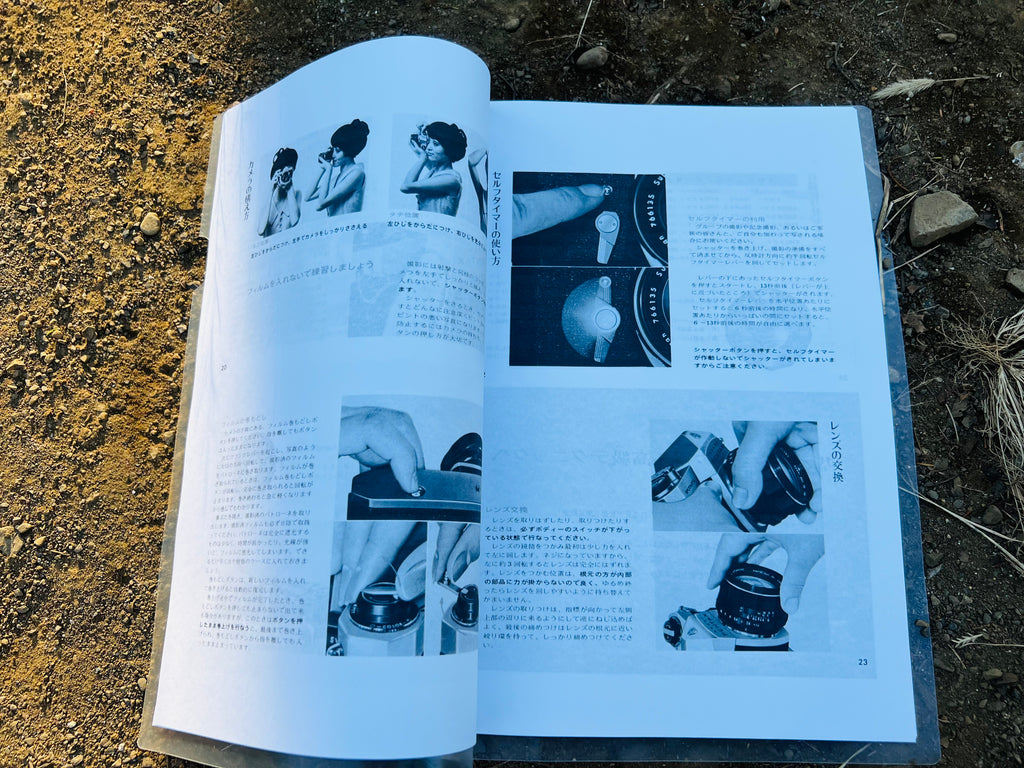
You can actually download the original instruction manual for the PENTAX SP as a PDF from the current RICOH official website.
Just looking at the PDF is exciting enough, but if you go to the trouble of printing it out in black and white on both sides of A4 paper and putting it in a binder to make a booklet, it really adds to the atmosphere and is fantastic.
The old instruction manuals might have been a single piece of content.
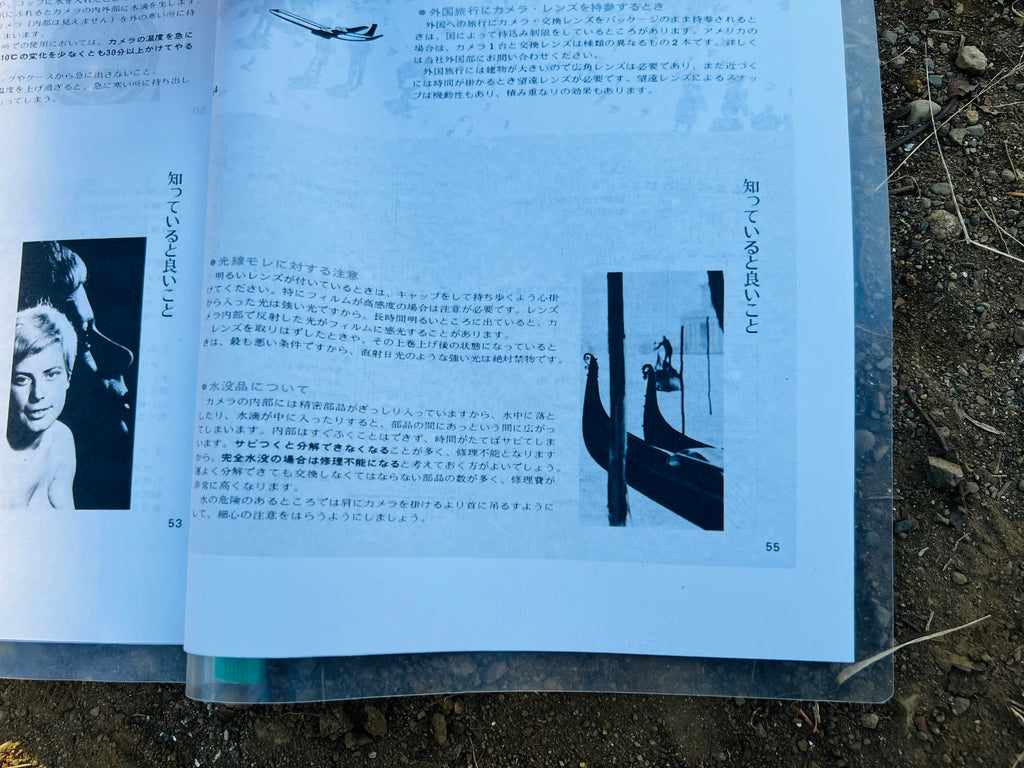
The illustrations of the camera body used in the instruction manuals from that time have a different feel from the impersonal CAD designs of today, and they really give you a sense of the era.
The fact that the instruction manual includes things like exposure compensation and how to adjust the aperture—things that you'd expect people to learn on their own these days—makes me feel like the people who created this product back then were truly having fun making it.